Ozempic May Change More Than Your Body — What About Your Personality?
— Dawn M. Sweet, Ph.D.
If you’ve spent any time scrolling through social media, browsing online forums, or reading health news, chances are you’ve come across the term “Ozempic Personality.” But what exactly does it mean?
Although it might sound like a clinical diagnosis, “Ozempic Personality” is just the most recent buzzword joining the ranks of “Ozempic Face” and “Ozempic Butt” in GLP-1 conversations. “Ozempic Personality” is currently being used to describe mood and behavior changes that some GLP-1 users have been reporting. If you have spent any time on social media, internet forums, or online news outlets, you’ve probably heard this phrase. But what does it mean? Could a GLP-1 medication like Ozempic lead to behavior and mood changes?
A Refresher on GLP-1 Medications
GLP-1 medications include brand-name drugs like Ozempic, Mounjaro, Wegovy, and Zepbound, which contain the active ingredients semaglutide or tirzepatide. These medications are synthetic versions of the naturally occurring GLP-1 (glucagon-like peptide-1) hormone. GLP-1s were originally developed to help patients with type 2 diabetes manage blood glucose (sugar) levels. Their weight loss effects were quickly recognized, and they are now also used to help individuals with type 2 diabetes and/or obesity lose weight. In addition to regulating blood glucose, GLP-1 medications influence appetite: they slow digestion, reduce hunger, and contribute to the satiety (fullness) signal between the gut and brain. They are also believed to affect the brain’s reward system and emotional regulation.
What is “Ozempic Personality?”
“Ozempic Personality” is an emerging term used by some GLP-1 users to describe perceived changes in mood or behavior. While it is not a recognized clinical diagnosis, the concept has captured public attention and sparked conversation about the psychological and mental health effects of GLP-1 medications.
While there is no single definition of “Ozempic Personality,” users have reported a range of psychological and emotional changes, including:
· Anxiety
· Depression
· Anhedonia (a reduced ability to feel pleasure)
· Emotional bluntness or numbness
· Decreased motivation or shifts in motivation
· Loss of interest in previously enjoyable activities
· Increased energy and confidence
GLP-1s and the Brain
GLP-1 medications have well-documented gastrointestinal (GI) side effects such as nausea, vomiting, diarrhea, constipation, and bloating. These side effects could affect food consumption.
GLP-1 medications affect dopamine, a neurotransmitter that plays a role in feelings of pleasure, motivation, and reward. Eating is one way we experience pleasure; some foods — especially energy-dense, highly palatable options like chips, cookies, cake, soda, hot dogs, burgers, and fries — stimulate the brain’s reward system and trigger the release of dopamine. In short, these foods taste good, they’re craveable, and they provide pleasure. As a result, a feedback loop is created: the pleasurable experience reinforces the behavior, increasing the desire to seek out and consume those foods again. For some individuals, food can even become a source of comfort or addiction, with these energy-dense foods acting as the fuel.
GLP-1 medications decrease the “dopamine hit” from previously enjoyed foods. Once on a GLP-1 medication, the GI side effects can make these highly palatable foods less desirable, thereby disrupting the reward system relative to food consumption by reducing or eliminating it. The foods that were once a source of pleasure, no longer provide that same response. The reduced satisfaction from food can plausibly lead to that “meh” feeling. The connection between emotions and eating is tamped down.
For some GLP-1 users, food may no longer occupy a large portion of their thoughts or lives. Because eating is no longer delivering the dopamine hit, Ozempic and similar medications opens a space for GLP-1 users to reconsider the role of food in their lives and prompt them to opt out of food-focused events like meals with friends. Because food and social gatherings are often connected, socializing with friends may decrease, further exacerbating the “meh” feeling many describe when taking a GLP-1.
Does Mean That You’ll Never Be Happy Again While Taking a GLP-1 Medication?
Not necessarily. GLP-1 medications can also have positive effects, such as increased confidence and energy. Although gastrointestinal side effects and changes in the brain’s reward system may occur, they also create an opportunity to reexamine your relationship with food.
Because every calorie counts while taking a GLP-1, your focus may shift from highly palatable, energy-dense foods to nutrient-dense options that meet the recommended daily intake of macronutrients and micronutrients — like protein, complex carbohydrates, healthy fats, vitamins, and minerals. Eating a balanced, nutrient-rich diet can boost energy levels and enhance overall well-being.
While the dopamine "hit" once triggered by food may diminish, it can be replaced by other rewarding activities — such as physical exercise, which also activates the brain’s reward system, or discovering new, non-food-centered ways to connect with others.
Some positive, long-term behavior and mood changes associated with a GLP-1 medication may include:
· Building healthy eating habits
· Eating more mindfully
· Becoming more physically active
· Being more aware of hunger and satiety (fullness) cues
· Increased confidence and increased self-esteem
The feel-good loop that once came from indulging in chips, cookies, and other comfort foods can shift when you're on a GLP-1 medication. Instead, you might start finding that eating healthier and moving more actually makes you feel better. It's a whole new kind of reward.
And here’s something important to know: there’s currently no scientific evidence that Ozempic — or any GLP-1 medication — directly changes your personality. Core personality traits — like being outgoing or detail-oriented — tend to stay pretty consistent throughout life.
That said, “Ozempic Personality” isn’t a medical diagnosis — it’s a casual term some users use to describe changes they’ve noticed in mood or behavior while taking the medication. Just because it’s not an official condition doesn’t mean those experiences should be dismissed. If you’re feeling different in ways that affect your daily life or relationships, it’s a good idea to talk to your health care provider.
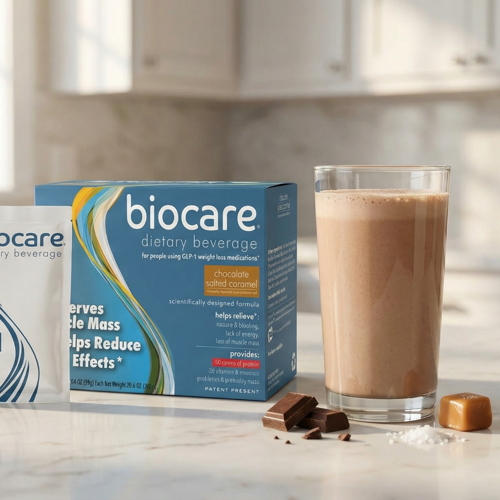
Also, let’s not forget: GLP-1 medications can cause some tough GI side effects — especially in the beginning — which can make it hard to get the nutrients your body needs. That’s where something like Biocare, a scientifically designed dietary beverage for GLP-1 users, can help fill in the gaps and support your well-being as you adjust.
About the Author: Dr. Dawn M. Sweet has over 20 years of experience in the field of communication. Dr. Sweet has given several invited talks to and workshops for academic and private sector audiences on the role of nonverbal and verbal communication in achieving positive outcomes and mitigating bias. Her research has been published in several top ranked peer-review journals, and it has been featured on NPR’s River to River / All Things Considered, Buzzfeed, and Science Daily. Her research has also been used to inform expert testimony.