GLP-1 Medications and the Gut Microbiome: The Importance of Probiotics
— Dawn M. Sweet, Ph.D.
A microbiome might sound like something from science fiction, but it is an ecosystem inside our gut (intestines), and it consists of microorganisms that are unique to each person. Inherited at the time we are born, our gut microbiomes are influenced by our diets and environmental factors over time.
The gut’s microbiome is important because it plays a critical role in overall health. The trillions of microorganisms like bacteria, viruses, fungi, and other microbes help with digestion, nutrient absorption, and immune health. When the gut’s microbiome is not balanced, metabolic health, brain health, and digestive health can be compromised.
For GLP-1 users, it’s important to pay attention to the gut’s microbiome for two reasons. First, GI side effects such as nausea, vomiting, constipation, bloating, and diarrhea will impact food intake. Second, GLP-1 medications have an appetite suppressing effect, and they slow digestion. Because of this, shifts in diets related to reduced food intake or changes in food preferences can have a direct effect on the microorganisms in the gut, thus presenting challenges for maintaining a balanced gut microbiome. This begs the question, what are best foods for gut health and weight loss?
The Importance of Probiotics and Prebiotics for Gut Health While Taking a GLP-1 Medication
Probiotics are beneficial live microorganisms that — when consumed in adequate amounts — can enhance gut health and support digestive function. Probiotics are found in common fermented foods like:
· Yogurt
· Kefir
· Kimchi
· Miso
· Pickles
· Sauerkraut
· Soft cheeses like cottage cheese
· Sourdough bread
Probiotics support digestive health by helping to break down food, support nutrient absorption, and produce vitamins. Breaking down food is important because this is how nutrients are absorbed into the body. When food is optimally broken down, nutrients like proteins, carbohydrates, fats, and vitamins and minerals are more efficiently absorbed.
When absorbed, protein is transformed into amino acids, which supports muscle growth and maintenance — important for weight loss. Carbohydrates are transformed into glucose (sugar) and used as energy. Fats become fatty acids, which are important for brain health, and vitamins and minerals are used to support immune health.
When food is not properly digested, there is a risk of feeding the wrong kinds of gut bacteria, resulting in bloating, gas, and inflammation. Because GLP-1 users may already experience bloating, gas, and gut discomfort, it is important to consider to the role of diet. Improperly broken down and digested, the gut’s microbiome is not doing its job, and this is an indication that a dietary change is likely needed.
In addition to probiotics, it is important to include prebiotics as part of a nutrient-dense, balanced diet. Prebiotics are non-digestible fiber that function as food for the gut’s good bacteria (probiotics). If your gut was a garden, think of prebiotics as the nutrients to help all the good stuff grow. Prebiotics are typically found in high-in-fiber plant-based foods such as bananas, apples, oats, beans and lentils, and asparagus. Like probiotics, they improve digestion, support immune function, and support metabolic health.
An added benefit of dietary changes aimed at improving gut health is weight loss. A diverse range of healthy foods — such as lean proteins, healthy fats, vegetables, and fruits — supports a balanced gut microbiome, making weight loss more achievable, especially when paired with GLP-1 medications. In fact, GLP-1s work most effectively when combined with a nutritious diet, making healthy eating a “two-in-one” solution for both gut health and weight management.
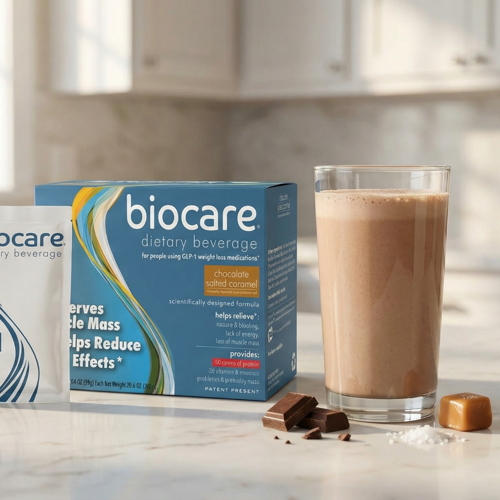
How Biocare Enhances Gut Health While Supporting Weight Loss
While adding probiotic-rich foods (like yogurt, kefir, and soft cheeses) and prebiotic-rich foods (like apples, bananas, beans, and lentils) can help support gut health and weight loss, a scientifically formulated supplement like Biocare can help provide extra benefits.
Biocare combines a powerful blend of digestive enzymes, probiotics, prebiotic fiber, and bioactive compounds, specifically designed to address the gastric side effects often associated with GLP-1 medications.
· Soluble Prebiotic Fibers in Biocare help support gut and digestive health by reducing issues like diarrhea, constipation, and nutrient imbalances that can arise with GLP-1 use.
· Digestively Stable Probiotics help reduce bloating and discomfort, improve nutrient absorption, and restore a healthy balance of gut bacteria, enhancing overall digestive health.
· GutGard®, a clinically researched bioactive compound, helps soothe an upset stomach and manage common symptoms like nausea, fullness, gas, and heartburn. It works hand-in-hand with probiotics to reduce GI issues, supporting better digestion and regular bowel movements.
· DigeZyme®, a blend of digestive enzymes, supports the breakdown and absorption of carbohydrates, proteins, fats, and plant fibers, while helping to alleviate bloating, gas, and diarrhea. It also aids in the pre-digestion of whey protein, which can enhance amino acid absorption and reduce GI side effects.
· Zinc-Carnosine offers additional digestive support by protecting the stomach lining, reducing symptoms like bloating and nausea, and promoting overall gut health with its anti-inflammatory properties.
Incorporating Biocare into your routine, alongside a healthy diet, offers a holistic approach to managing gut health while on GLP-1 medications, helping to minimize uncomfortable side effects and optimize weight management.
Before making dietary changes or beginning any exercise program be sure to consult with your health care provider to make sure your desired weight loss strategy is right for you.
About the Author: Dr. Dawn M. Sweet has over 20 years of experience in the field of communication. Dr. Sweet has given several invited talks to and workshops for academic and private sector audiences on the role of nonverbal and verbal communication in achieving positive outcomes and mitigating bias. Her research has been published in several top ranked peer-review journals, and it has been featured on NPR’s River to River / All Things Considered, Buzzfeed, and Science Daily. Her research has also been used to inform expert testimony.