The link between GLP-1s and mental health remains unclear amid conflicting evidence.
According to research, GLP-1s are related to depression, anxiety, changes in mood, suicidal ideation; however, there is also research to suggest that there is not an increased chance for an adverse psychiatric event in adults taking a GLP-1. While the empirical uncertainty around the relationship between GLP-1 medications and mental health remains, it is important to stay abreast of relevant aspects of GLP-1s and mental health, namely how nutrition, exercise and lifestyle changes can have a positive impact on well-being.
Mental Health and Weight Loss
For many, clinically significant weight loss can lead to feelings of excitement, joy, and pride. There can also be an emotional relief as well, particularly if someone has faced weight-related stigma, serious health issues, or physical limitations.
While weight loss can bring positive emotional outcomes, it may also come with unexpected emotional challenges. Food is deeply tied to both comfort and connection — it plays a central role in social gatherings and personal rituals. The appetite-suppressing effects of GLP-1 medications, while beneficial for weight loss, may disrupt this connection. Some individuals may feel a sense of disconnection from friends or loved ones if they no longer enjoy shared meals or social events centered around food. In addition, because food often serves as a source of comfort, losing that outlet can create a sense of emotional loss or isolation. While food nourishes the body, it also nurtures the spirit — and adjusting to its new role can be emotionally complex.
Another common emotional challenge is the fear of regaining weight. For many, this fear lingers in the background — turning each bite of food into a source of anxiety. It can feel like waiting for the other shoe to drop, creating a constant state of vigilance that is both mentally exhausting and emotionally draining. This ongoing anxiety can undermine confidence and make it harder to focus on the long-term, sustainable lifestyle changes needed for lasting success.
Because GLP-1 medications work optimally when paired with a nutrient-dense eating plan and physical activity, it is important to consider how these lifestyle changes can support mental health during active weight loss with a GLP-1 medication.
Food, Mood, and Nutrition
Food can promote a positive or negative mood. The food we eat affects blood glucose, gut health, brain chemistry, and hormones, each of which plays a role in our well-being. The Dietary Guidelines for Americans offers suggestions and guidance on healthy eating options.
· Blood glucose (sugar) levels: Consuming refined carbohydrates — such as those found in white rice, pasta, processed foods, and many cereals — can cause spikes and crashes in blood glucose levels. These fluctuations may contribute to mood swings and irritability. To help support a more stable mood, choose complex carbohydrates like whole grains (e.g., brown rice, quinoa, steel-cut oats), legumes (e.g., beans, peas, lentils), and starchy vegetables (e.g., winter squash, sweet potatoes). Including foods high in fiber is also important, as fiber helps stabilize blood glucose and may reduce emotional ups and downs.
· Gut microbiome: A microbiome is an ecosystem, or a community of organisms, that is unique to us. When the bacteria in our gut are balanced, our body is better able to regulate cortisol — the hormone commonly associated with stress. However, chronic stress or an imbalanced gut microbiome can lead to elevated cortisol levels, which may negatively affect both physical and emotional health. Diet plays a key role in maintaining gut health and supporting a stable mood. To promote a healthy gut microbiome and improve mood, consider incorporating probiotic-rich foods such as yogurt, kombucha, sauerkraut, aged cheese, kvass, and apple cider vinegar. Conversely, it’s best to limit hyperpalatable foods like cookies, chips, fast food, and soda. These highly processed foods offer little to no nutritional value and can overstimulate the brain’s reward system by triggering the release of dopamine — a “feel-good” hormone. While dopamine provides a temporary sense of pleasure, in this context it can lead to a cycle of overeating and emotional reliance on unhealthy foods.
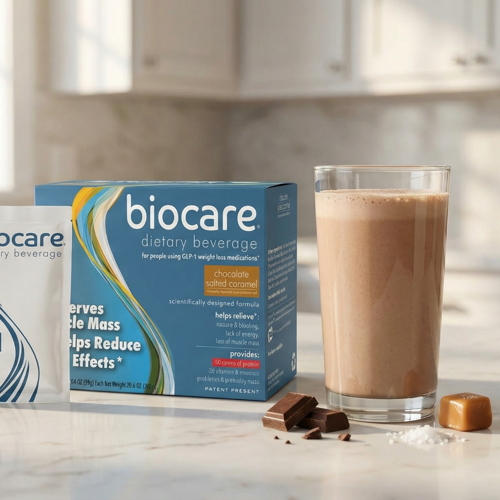
· Nutrient deficiencies: Meeting the recommended daily intake of essential micronutrients is an important part of a nutrient-dense diet — and it plays a key role in supporting mood. Deficiencies in certain vitamins and minerals, particularly B vitamins, vitamin D, magnesium, and iron, have been linked to an increased risk of depressive symptoms. To help prevent these deficiencies and support emotional well-being, include a variety of nutrient-rich foods in your diet, such as eggs, salmon, leafy greens, bananas, almonds, brown rice, lentils, spinach, lean beef, and skinless white meat chicken. In addition, Biocare is a nutrient-dense beverage that can be a valuable tool for many GLP-1 users. It’s specifically formulated to help counteract nutritional deficiencies associated with GLP-1 weight loss medications, featuring probiotics and prebiotic fiber to support gut health, along with targeted ingredients to help manage common side effects. Biocare beverages also contain 30 grams of high-quality whey protein per serving to help maintain lean muscle mass; two servings provide 100 percent of the recommended daily intake of 26 vitamins and minerals.
· Neurotransmitters: The foods we eat can influence the production of key neurotransmitters like serotonin and dopamine, which play a major role in mood regulation. Omega-3-rich seafood — such as salmon, mackerel, tuna, and shrimp — may help reduce the risk of depression. Other mood-supporting foods include chicken, tofu, and oats, which provide the building blocks for healthy neurotransmitter function. When taking a GLP-1 medication, aim to support your emotional well-being by choosing nutrient-dense foods that promote a balanced dopamine response.
· Inflammation: Chronic inflammation in the body is linked to a poor diet and mood disorders. To reduce inflammation, be sure to avoid processed foods and consume lean proteins, whole grains, and healthy fats.
Exercise and Mood
Regular physical activity is a powerful way to boost mood by increasing the production of serotonin, dopamine, and endorphins — all of which play a key role in emotional well-being. Exercise also helps relieve stress and improve sleep, both of which are essential components of mood regulation. Quality sleep, in particular, is often overlooked but critical for reducing feelings of anxiety and enhancing overall mental health.
If you're not sure where to start, try a morning or afternoon walk — you'll also benefit from vitamin D exposure through sunlight (just remember to wear sunscreen!). Choose activities you enjoy, such as biking, hiking, dancing, yoga, Pilates, weight training, resistance exercises, or group fitness classes at a local gym or community center. Finding movement you enjoy makes it easier to stay consistent and experience the full mental health benefits of exercise.
Creating sustainable, long-term lifestyle changes like following a healthy eating plan and incorporating 150 minutes of moderate exercise are important.
Before making dietary changes or beginning any exercise program be sure to consult with your healthcare provider to make sure your desired weight loss strategy is right for you.
About the Author: Dr. Dawn M. Sweet has over 20 years of experience in the field of communication. Dr. Sweet has given several invited talks to and workshops for academic and private sector audiences on the role of nonverbal and verbal communication in achieving positive outcomes and mitigating bias. Her research has been published in several top ranked peer-review journals, and it has been featured on NPR’s River to River / All Things Considered, Buzzfeed, and Science Daily. Her research has also been used to inform expert testimony.