Life after Rapid Weight Loss: Navigating Social, Work, and Everyday Changes on GLP-1 Medications
— By Katie Chapmon, MS, RD
Losing weight quickly with GLP-1 medications can feel like stepping into an entirely new life — but not always in the ways you expect. In this post, we unpack the surprising emotional, social, and practical shifts that come with rapid transformation — and how to handle them with clarity and confidence.
GLP-1 medications — like semaglutide and tirzepatide — have been making headlines for their dramatic effects on weight loss. For many people, the changes happen faster than expected. Clothes fit differently. The mirror reflects a new shape. The scale drops in ways that once felt impossible.
But here’s the thing most people don’t talk about: rapid, significant weight loss isn’t just a physical transformation — it can shake up almost every corner of life. From how people treat you socially to how you approach work events, travel, and eating out, the shift can feel like entering a whole new world.
In this post, we’ll explore the real-life changes that happen when weight comes off quickly with GLP-1 medications, and how to navigate them with confidence, health, and balance.
The Ripple Effect of Weight Loss
When you first start a GLP-1 medication, your focus is likely on the number on the scale. And when that number starts dropping, it can feel incredible. Clothes fit differently, you may feel more comfortable moving around, and your health markers may improve.
But weight loss doesn’t happen in a vacuum. It ripples out into every area of life — social gatherings, work relationships, dating, and even family dynamics.
Here are some common situations you may encounter, and tips on how to handle them.
Social Settings: All Eyes on You
Once your weight loss becomes noticeable, you may find yourself drawing more attention at social gatherings — whether it’s a party, a dinner out, or a casual lunch with coworkers. Compliments might flow freely, but so can intrusive questions like, “What’s your secret?” or “How much have you lost?” Remember, you don’t owe anyone the details of your health journey. A simple, polite response — such as, “Thanks, I’ve been working with my doctor and focusing on my health” — can acknowledge their comment without revealing more than you want to share.
Eating out can also feel daunting as your appetite diminishes on a GLP-1. At restaurants, the portions can seem overwhelming, and there may be social pressure for “just one bite,” a drink, or dessert.
Tips for navigating meals out:
· Review the menu ahead of time and plan what to order.
· Don’t be afraid to ask for a half-portion, or to box up the rest to take home.
· Focus on conversation rather than food — it’s okay to eat slowly and stop when full.
· If alcohol doesn’t agree with you anymore, opt for sparkling water with lime or a mocktail.
Work: Navigating a New Kind of Visibility
Significant physical changes can bring a new level of visibility at work — sometimes in ways you didn’t expect. Colleagues may react differently, offering more attention or praise, while others may seem uneasy or even make offhand comments that land poorly. You might also notice an unspoken pressure to “maintain” your progress, especially during office gatherings like potlucks, happy hours, or team dinners.
How to navigate it:
· Set clear boundaries. It’s perfectly fine to redirect or politely close down conversations about your body.
· Plan for workplace events. If it’s a potluck, contribute a dish you feel good about eating. For other gatherings, have a light, balanced meal beforehand so you can be selective without going hungry.
· Keep perspective. Your choices are yours alone — you don’t need to justify them or live up to anyone else’s expectations.
Dating & Relationships: Shifting Dynamics
One of the more surprising aspects of rapid weight loss is how it can impact personal relationships. Some people find dating easier, while others feel self-conscious in their smaller body. Long-term partners may need time to adjust to the changes, too.
You may also find that people treat you differently — offering more attention or even making advances they didn’t before. This can be flattering but also overwhelming.
What can help:
· Communicate openly with your partner about how you’re feeling and what you need from them.
· Take your time adjusting to dating, and focus on building connections beyond appearance.
· Work on your own self-image and confidence — sometimes it takes time for your mind to catch up to your body.
Thriving in Your New Normal
One of the biggest challenges people face on GLP-1s is maintaining healthy habits when old patterns still feel tempting. Social events often center around food and drinks, and it’s easy to feel like you’re “missing out.”
Here are some simple strategies:
· Eat slowly and stop when you feel full — even if others keep eating.
· Keep nutrient-rich snacks on hand, like nuts, yogurt, or veggies, so you don’t go too long without eating.
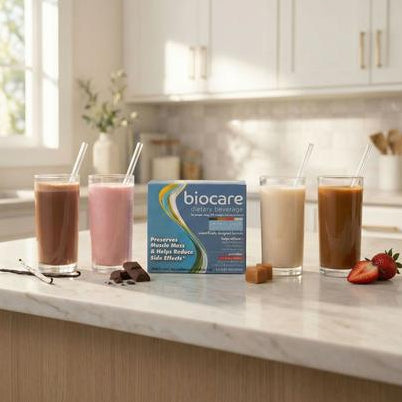
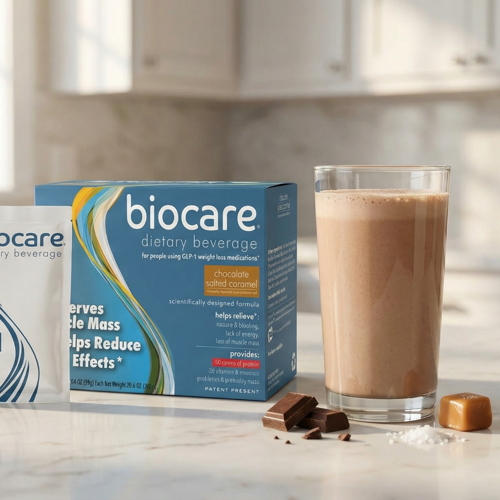
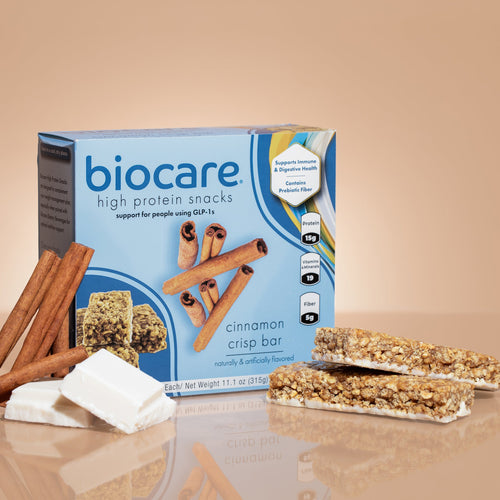
· Focus on protein and fiber when you do eat — these will keep you fuller longer and help preserve muscle. Biocare may be a perfect addition to help with this focus or as a nutrient-rich option to keep you sustained.
· Drink plenty of water, especially if alcohol or caffeine makes you feel queasy now.
· Get support when you need it — having a plan makes all the difference.
The Bottom Line
GLP-1 medications can deliver life-changing results, but the speed and scale of transformation can take you by surprise. Lasting success comes from learning to navigate your “new normal” with confidence, health, and joy. That means being ready for the social and emotional shifts that may arise, having a plan for making balanced choices in any setting, and staying active and well-nourished even with a smaller appetite. It also means surrounding yourself with the right support to help you maintain your progress. Because weight loss is only the beginning — the true achievement is creating a lifestyle that feels good, works for you, and lasts a lifetime.
About the Author: Katie Chapmon, MS, RD, is a Los Angeles–based registered dietitian nutritionist with over 16 years of experience specializing in metabolic bariatric nutrition, GI health, and hormonal balance. She is the founder of Katie Chapmon Nutrition, a fully virtual private practice, and Bariatric Nutrition Pro, an educational platform for healthcare professionals. She has also served in leadership roles with the American Society of Metabolic and Bariatric Surgery. Through her virtual practice and educational work, Katie takes a whole-person approach to help individuals and healthcare professionals transform their understanding of nutrition and well-being. Find her online at https://www.katiechapmon.com/.