GLP-1 Medications May Help Women with Polycystic Syndrome (PCOS)
— Dawn M. Sweet, Ph.D.
Women with PCOS are finding new hope with GLP-1 medications — but nutrition matters more than ever.
Polycystic Ovary Syndrome (PCOS) is a hormonal disorder that affects approximately six to 13 percent of women of reproductive age, often impairing fertility and disrupting metabolic health, including blood sugar and cholesterol levels. While the precise cause of PCOS is not fully fleshed out, medical experts are in consensus regarding its relationship to insulin resistance and hormonal imbalances. To compensate for insulin resistance, the body produces more of it — and the excess insulin can cause the ovaries to produce androgens, a group of hormones that promote male characteristics. The androgens can contribute to PCOS symptoms like irregular periods, infertility, and difficulty losing weight. Key symptoms of PCOS include:
· Weight gain or difficulty losing weight
· Insulin resistance, blood glucose (sugar) issues
· Hyperandrogenism (excess androgen levels)
· Type 2 diabetes
· High blood pressure
· High cholesterol
· Heart disease
· Irregular or missed periods
· Polycystic ovaries
· Fertility problems
It’s important to note that not all women may experience all symptoms and that symptoms may vary and shift over time.
Traditional Approaches to Treating PCOS
Traditional treatments for PCOS have included: (1) birth control pills to regulate menstrual cycles and lower androgen levels, (2) metformin to reduce insulin resistance, (3) fertility drugs such as clomiphene, and (4) lifestyle changes like improved diet and increased physical activity to promote weight loss. While these interventions have been beneficial, healthcare providers are now broadening treatment options to include GLP-1 receptor agonists, such as semaglutide and tirzepatide.
Can GLP-1 Medications Help Women with PCOS?
Originally developed to treat type 2 diabetes and later approved for weight loss, GLP-1 medications such as Ozempic, Wegovy, Mounjaro, and Zepbound are now offering new hope to women with PCOS. Excess weight is a known contributor to fertility issues; for women with PCOS and obesity, adding a GLP-1 medication under medical supervision could help achieve clinically significant weight loss.
GLP-1 medications have helped patients reach an average of 10 to 15 percent loss of their total body weight. This is considered clinically significant weight loss, and consequently, it could help women with PCOS rebalance their estrogen levels. If a 10 to 15 percent weight loss seems overwhelming, even losing as little as a five to 10 percent of total body weight can improve PCOS symptoms and lead to regular periods and ovulation.
How GLP-1 Medications Help with Weight Loss
GLP-1 medications have anorexigenic effects, or appetite suppressing effects, which results in reduced food intake. Additionally, GLP-1 medications slow digestion, promoting satiety (feeling full) for extended periods of time.
Beyond promoting weight loss, GLP-1 medications also support metabolic health. They are associated with improved blood sugar control, lower insulin levels, reduced insulin resistance, and decreased cholesterol. Current research suggests that by enhancing insulin sensitivity, these medications may help the reproductive system function more effectively. While there is no direct empirical evidence linking GLP-1 medications to improved fertility, the resulting metabolic improvements may increase a woman’s chances of becoming pregnant.
Research is supporting the use of GLP-1s for weight loss in women with PCOS. For example, researchers investigated metformin (used to regulate blood sugar) and GLP-1 medications like liraglutide (the active ingredient in Victoza). They found that GLP-1 medications, whether used alone or with metformin, led to weight loss. This is significant because patients who don’t require metformin may achieve comparable weight loss results using only a GLP-1 medication.
GLP-1 Safety
GLP-1 medications are generally considered safe for most users; however, they are not recommended for women who are pregnant or trying to conceive. Classified by the FDA as Category C drug, these drugs carry potential risks, as adequate studies in pregnant women are lacking. Manufacturers advise discontinuing GLP-1 medications before pregnancy. To minimize risk, it’s important to consult a healthcare provider about safely stopping the medication and planning a timeline for conception.
Paring a GLP-1 with Dietary Changes for Sustainable Weight Loss
For women with PCOS and obesity, taking a GLP-1 medication is one piece of the weight loss puzzle, particularly for those women who would like to become pregnant. GLP-1 medications can jumpstart weight loss and help with blood sugar control; however, for optimal results, a GLP-1 medication should be paired with sustainable dietary changes.
Following a nutritionally-dense, balanced diet while taking a GLP-1 medication will lay the foundation for healthy eating habits once the GLP-1 is discontinued. A nutritionally-dense diet should include lean proteins, healthy fats, vegetables, fruit, fiber, and whole grains. Examples include:
· Lean protein: white meat poultry, lean beef, lean pork, cod, salmon, tilapia
· Healthy fats: avocados, nuts, seeds, olive oil, fatty fishes like salmon, mackerel, tuna
· Vegetables: leafy greens like kale, chard, spinach, broccoli, legumes
· Fruit: apples, bananas, berries, pears, cherries, tomatoes (yes, tomatoes really are fruit!)
· Fiber and whole grains: legumes, brown rice, quinoa, oats, barley
Additionally, removing or reducing processed foods will help mitigate blood-sugar spikes and insulin spikes. Be sure to check out the Dietary Guidelines for Americans for healthy food options and calorie guidelines.
In addition to dietary changes, it’s important to include daily activity. Walking, hiking, cycling, a dance class, yoga, Pilates, or joining a pickle ball league can help you jumpstart a daily activity routine. Creating sustainable, long-term lifestyle changes like following a healthy eating plan and incorporating 150 minutes of moderate exercise are important for long-term weight loss and weight management success.
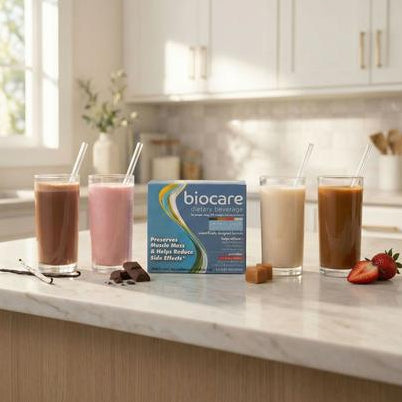
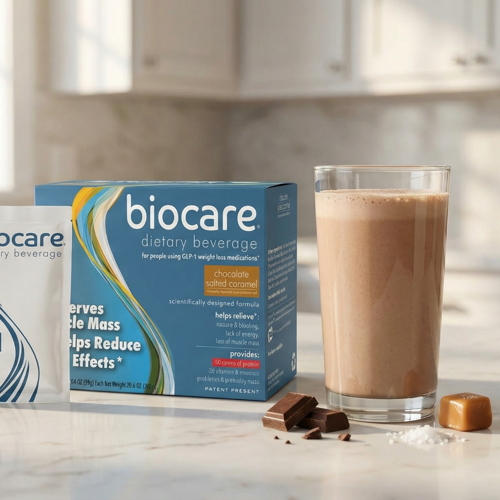
For women with PCOS who are using GLP-1 medications to support weight loss and metabolic health, Biocare offers targeted nutritional support that helps optimize outcomes and manage common side effects of GLP-1 medications. It is a dietary beverage specifically formulated to support the nutritional needs of people taking GLP-1 medications.
GLP-1 therapies can significantly reduce appetite and calorie intake, often leading to nutrient deficits and digestive discomfort. Biocare is scientifically formulated to address these challenges by delivering a blend of rapidly and slowly absorbed proteins (whey and casein) to preserve lean muscle mass and support metabolic function. It includes leucine and creatine for muscle maintenance, essential vitamins and minerals for energy and immune support, and omega-3-rich flaxseed for cardiovascular and anti-inflammatory benefits.
To ease common GLP-1-related digestive issues — like nausea, constipation, and bloating — Biocare also contains probiotics, prebiotic fiber, digestive enzymes (DigeZyme®), and bioactives such as GutGard® and PepZinGI®, promoting gut health and nutrient absorption. For women with PCOS, this comprehensive nutritional profile can help fill dietary gaps and create a foundation for long-term weight management and reproductive health while on GLP-1 treatment.
Before making dietary changes or beginning any exercise program be sure to consult with your healthcare provider to make sure your desired weight loss strategy is right for you.
About the Author: Dr. Dawn M. Sweet has over 20 years of experience in the field of communication. Dr. Sweet has given several invited talks to and workshops for academic and private sector audiences on the role of nonverbal and verbal communication in achieving positive outcomes and mitigating bias. Her research has been published in several top ranked peer-review journals, and it has been featured on NPR’s River to River / All Things Considered, Buzzfeed, and Science Daily. Her research has also been used to inform expert testimony.