Body Positivity and GLP-1 Weight Loss: Navigating a New Relationship with Yourself
— By Katie Chapmon, MS, RD
If you’re using a GLP-1 medication to support weight loss, you may find yourself feeling excited and proud… but also unsettled, self-conscious, or even uncomfortable with the new attention you receive. That’s completely normal — and worth talking about.
In recent years, medications like GLP-1 receptor agonists (such as semaglutide or tirzepatide) have changed the conversation around weight loss. For many people who’ve struggled with their weight for years — sometimes decades — GLP-1 medications can feel like a miracle. Pounds that once refused to budge finally melt away, often with much less hunger and frustration than before.
But here’s something that doesn’t always get talked about: how your relationship with your body — and even with the people around you — can shift in unexpected ways when you lose a substantial amount of weight.
If you’re using a GLP-1 medication to support weight loss, you may find yourself feeling excited and proud… but also unsettled, self-conscious, or even uncomfortable with the new attention you receive. That’s completely normal — and worth talking about.
Let’s explore why body positivity doesn’t automatically “kick in” after weight loss, and how you can navigate this new chapter with self-compassion and confidence.
What happens when there is a Significant Weight Change?
For many people, weight loss brings physical benefits: less joint pain, better sleep, improved blood sugar, and lower blood pressure. But emotionally and socially, things can get complicated:
- Sudden attention. People may start complimenting you, asking what your “secret” is, or treating you differently.
- Feeling exposed. Clothes fit differently, your body moves differently, and you might feel more “on display” than before.
- Old insecurities resurfacing. You may have expected to feel nothing but happiness at a smaller size — but sometimes old feelings of inadequacy or self-criticism remain.
- Strained relationships. Friends or family may make comments that are unintentionally hurtful (“Why didn’t you do this sooner?”) or even express jealousy.
If you’ve lived in a larger body for much of your life, it can feel strange — even disorienting — to suddenly be perceived differently in social and professional situations. Some people describe feeling like the same person inside but noticing that the world seems to see them as someone else.
Why doesn’t Weight Loss Automatically Bring Body Positivity?
Oftentimes, there’s the thought process that if we just lost weight, we’d finally feel confident and happy. But body image isn’t just about your body — it’s about your mind, your self-talk, your past experiences, and how you view yourself as a whole person.
If you’ve spent years being self-critical or feeling judged because of your size, those patterns of thinking don’t always disappear while you’re losing weight. The habits of looking for flaws, comparing yourself to others, or questioning your worth can linger, even when your body has changed.
In fact, for some people, weight loss can bring up feelings they didn’t expect — like grief for the “old” version of themselves, or sadness about how differently they’re treated now compared to before. And sometimes, there may be feelings of guilt or conflict about the compliments you receive, especially if you feel like your worth shouldn’t depend on your size.
You might also discover that you still notice “imperfections” you didn’t expect to care about, like loose skin, stretch marks, or uneven proportions. This could feel frustrating if you believed weight loss would “fix” everything.
That’s why it’s important to remember: body positivity is about more than just liking how you look — it’s about respecting and caring for your body at any size. It’s about treating yourself with kindness, acknowledging the incredible things your body does for you, and letting go of the idea that your value is tied to a number on the scale.
That mindset can take time — and practice — to develop, even after significant weight loss. But it’s worth the effort, because true body positivity is about embracing yourself as a whole person, not just a smaller body.
Common Emotional Challenges after Weight Loss
You’re not alone if you experience one (or more) of these after starting a GLP-1 and losing weight:
· Uncomfortable Attention: You might have spent years blending into the background, avoiding unwanted comments. Now, people might remark on your appearance every time you walk into a room. That can feel invasive, even if it’s meant as a compliment.
What may help: You’re allowed to set boundaries. If you don’t want to talk about your weight or your medication, it’s perfectly okay to say something like, “Thanks for noticing—I feel good, but I’d rather talk about something else.”
· Body Dysmorphia: Even after losing a significant amount of weight, you might still “see” yourself as larger in the mirror or feel like you take up the same amount of space. This disconnect – between how you look and how you feel — is surprisingly common.
What may help: Be patient with yourself. Your mind may take longer than your body to catch up. Practice different self-talk, keep a journal, and practice noticing the things your body can do now — not just how it looks.
· Loose Skin: Depending on how much weight you’ve lost, you may notice sagging or loose skin. This is a natural and normal part of weight loss, but it can be distressing for some.
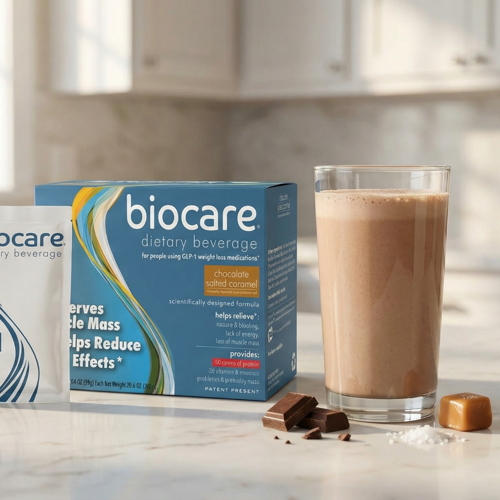
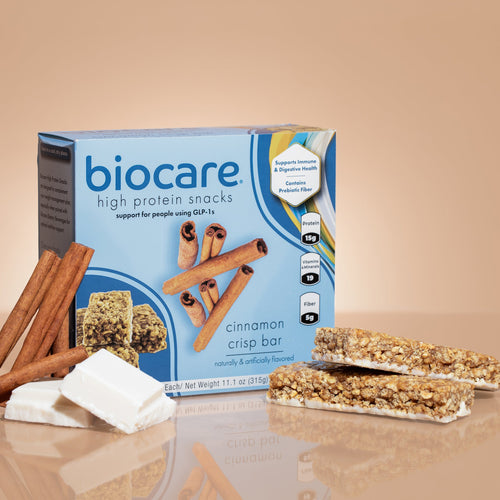
What may help: Remind yourself that loose skin is a sign of how far you’ve come. Supportive clothing, covering your nutritional needs for skin support (perhaps using a product such as Biocare), strength training to build muscle tone, and, in some cases, consulting a medical professional about surgical options can help if it bothers you.
· Relationship Dynamics: Weight loss can shift how others relate to you — sometimes in ways you didn’t expect. A partner may feel insecure. Friends might joke about your “new lifestyle.” Family may express unsolicited opinions about your health.
What may help: Remember, your journey is about you. You don’t owe anyone an explanation for prioritizing your health and well-being. Open, honest conversations with loved ones can help clear the air when comments feel hurtful.
Tips for Cultivating Body Positivity During and After Weight Loss
It’s possible to celebrate your weight loss while also embracing body positivity. Here are some ways to do that:
· Focus on health, not just looks. Notice how you feel — more energy, less pain, improved labs—rather than just the number on the scale.
· Wear clothes that fit and feel good now. Don’t wait for some “final” size before buying clothes that make you feel confident.
· Speak kindly to yourself. Practice self-talk you’d offer to a friend: “I’m proud of myself for taking care of my body.”
· Find community. Whether it’s an online group, a friend who understands, or a counselor, having someone to talk to about your experience can be invaluable.
· Practice gratitude for your body. Each day, list something your body allows you to do — walk the dog, hug your kids, breathe deeply.
· Take your time adjusting. You don’t have to “love” your body overnight. Acceptance can come step by step.
If you’re on a GLP-1 medication and experiencing significant weight loss, congratulations on taking steps toward your health goals. It’s okay if you also feel some complicated emotions along the way. Your body is yours — whether it’s bigger, smaller, or somewhere in between — and it deserves care, respect, and kindness at every stage.
Remember: weight loss might change how others see you, but the most important relationship to nurture is the one you have with yourself. You’re more than a number on the scale, and your worth has never been defined by your size. So wear the clothes you like, set the boundaries you need, and celebrate the progress you’ve made — not just in pounds lost, but in the strength and self-compassion you’re building every day.
About the Author: Katie Chapmon, MS, RD, is a Los Angeles–based registered dietitian nutritionist with over 16 years of experience specializing in metabolic bariatric nutrition, GI health, and hormonal balance. She is the founder of Katie Chapmon Nutrition, a fully virtual private practice, and Bariatric Nutrition Pro, an educational platform for healthcare professionals. She has also served in leadership roles with the American Society of Metabolic and Bariatric Surgery. Through her virtual practice and educational work, Katie takes a whole-person approach to help individuals and healthcare professionals transform their understanding of nutrition and well-being. Find her online at https://www.katiechapmon.com/.