
GLP-1 protein calculator
How much protein do I need in a day?
If you're taking a GLP-1 medication like Ozempic, Wegovy, Mounjaro, or Zepbound, protein protects muscle, keeps you full, and supports steady energy. Use the free calculator to get a personalized daily estimate.
Most adults need roughly 0.5–0.9 grams of protein per pound of body weight per day (about 1.2–2.0 g/kg), depending on activity and goals. People on GLP-1 medications often aim toward the higher end to preserve lean muscle while losing weight.
This is a general estimate for educational purposes, not medical or nutritional advice. Talk with your clinician or dietitian about the right protein target for you.
The numbers
How much protein do I need per day?
Your daily protein target depends on your body weight, activity level, and goal — losing weight, maintaining, or building muscle. The guidance below is a helpful starting point. Active people, anyone losing weight, and those protecting muscle generally land at the higher end of each range.
| Activity level | Protein per pound | Protein per kg |
|---|---|---|
| Sedentary | 0.45–0.55 g | 1.0–1.2 g |
| Lightly active | 0.50–0.65 g | 1.1–1.4 g |
| Moderately active | 0.60–0.75 g | 1.3–1.6 g |
| Very active | 0.70–0.85 g | 1.5–1.9 g |
| Extremely active | 0.80–1.00 g | 1.8–2.2 g |
Example: a moderately active person who weighs 170 lbs would aim for roughly 102–128 grams of protein per day. The calculator above does this math for you.
On a GLP-1
How much protein should I eat on Ozempic, Wegovy, Mounjaro, or Zepbound?
GLP-1 medications (semaglutide and tirzepatide) reduce appetite and slow digestion, which often drops total food — and protein — intake. When weight comes off, some can come from muscle instead of fat, so hitting a higher protein target becomes especially important.
A practical approach: aim toward the upper end of your range, spread protein across the day, and lean on easy, protein-dense options when appetite is low. See our GLP-1 Blueprint for a full weekly plan, and Biocare vs. Biocare2 to choose the right shake for your phase.
Why it matters
Why protein matters for GLP-1 users.
- Supports lean muscleGLP-1s suppress appetite and can lower your overall food intake. Enough protein helps preserve lean muscle mass — especially while losing weight.
- Enhances satietyProtein is the most satiating macronutrient. It keeps you fuller longer and makes smaller meals more satisfying.
- Stabilizes blood sugarUnlike carbohydrates, protein doesn't cause rapid glucose spikes — helpful for anyone managing blood sugar.
- Supports metabolism & recoveryMaintaining muscle helps support a healthy resting metabolism and recovery from activity.
Food sources
High-protein foods to help you hit your goal.
Approximate protein per common serving. Mixing whole foods with an easy shake makes a daily target far more achievable when appetite is low.
| Food | Serving | Protein (approx.) |
|---|---|---|
| Biocare protein shake | 1 packet | 30 g |
| Chicken breast | 4 oz, cooked | 26 g |
| Salmon | 4 oz, cooked | 23 g |
| Greek yogurt (nonfat) | 1 cup | 20 g |
| Cottage cheese | 1 cup | 24 g |
| Lentils | 1 cup, cooked | 18 g |
| Black beans | 1 cup, cooked | 15 g |
| Eggs | 1 large | 6 g |
| Tofu (firm) | 4 oz | 10 g |
| Almonds | 1 oz | 6 g |

Make it easy
Tips for meeting your protein goals.
- Distribute protein across mealsAim for 20–30 grams per meal to optimize absorption and satiety.
- Pair protein with fiberCombining protein with high-fiber foods enhances fullness and supports digestion.
- Stay hydratedProtein metabolism requires adequate water — keep your hydration up.
- Plan snacks wiselyKeep high-protein snacks on hand to avoid low-energy moments.
Goals
Protein for weight loss and PCOS.
Weight loss: In a calorie deficit, adequate protein helps you lose fat while protecting muscle — and keeps you fuller, which makes the deficit easier to sustain.
PCOS: The right protein intake can help manage insulin resistance, reduce cravings, and support hormone balance. Pairing protein with fiber and steady meals supports more stable blood sugar through the day.
Whatever your goal, the calculator above gives you a personalized starting number — then adjust with your clinician or dietitian.
FAQ
Protein questions, answered.
How much protein do I need in a day?
Most adults need roughly 0.5–0.9 grams of protein per pound of body weight per day (about 1.2–2.0 g/kg), depending on activity level and goals. Use the calculator above for a personalized estimate, then confirm with your clinician or dietitian.
How much protein should I eat on a GLP-1 medication?
Because medications like Ozempic, Wegovy, Mounjaro, and Zepbound reduce appetite, many people aim toward the higher end of their range to avoid muscle loss while losing weight. Spreading protein across the day and using easy, protein-dense options helps you get there even when appetite is low.
How do I calculate my protein needs?
Multiply your body weight in pounds by a factor based on activity (about 0.45–0.55 for sedentary up to 0.80–1.00 for extremely active). For example, a moderately active 170-lb person would aim for roughly 102–128 g per day. The calculator above does this for you.
How much protein should I eat per meal?
Aim for about 20–30 grams of protein per meal. Distributing protein across the day supports absorption and helps you feel full and satisfied.
What are the best high-protein foods?
Chicken, fish, eggs, Greek yogurt, cottage cheese, lentils, beans, tofu, and nuts are all strong choices. A 30g protein shake is an easy way to close the gap when appetite is low or you're short on time.
Can I eat too much protein?
For most healthy adults, higher-protein diets are well tolerated. However, individual needs vary, and certain conditions (such as kidney issues) may call for a different target. Always check with your healthcare provider about what's right for you.
Does protein help with weight loss?
Yes — in a calorie deficit, adequate protein helps preserve muscle while you lose fat, and its high satiety makes the deficit easier to maintain.
How much protein should I eat with PCOS?
Adequate protein can help manage insulin resistance, reduce cravings, and support hormone balance. A good starting point is the same per-weight guidance above; personalize it with your clinician or dietitian.
Keep going
Explore our free resources.

Biocare Blog
Expert nutrition tips, side-effect relief strategies, and answers to your GLP-1 questions.
Read the blog →
Meal Plans
Guides and a GLP-1 grocery list packed with everything you need to fuel your body.
See meal plans →
Recipes
Exciting recipes that add bold flavor to your favorite beverages and shake up your go-to meals.
Explore recipes →Hit your number
30g of protein, the easy way.
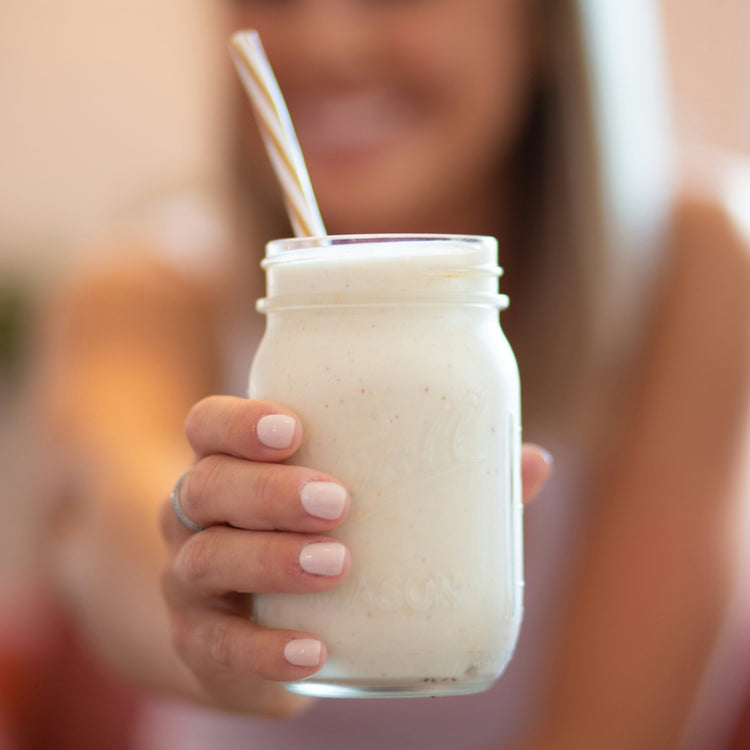
An easy-to-drink shake with 30g of protein helps you reach your daily goal — even when your appetite is low.
Shop 30g protein beveragesThis calculator and page are for educational purposes only and do not replace medical or nutritional advice. Protein figures are general estimates; individual needs vary. Please consult your physician, healthcare provider, or registered dietitian before making changes to your health or diet program. These statements have not been evaluated by the Food and Drug Administration. This product is not intended to diagnose, treat, cure, or prevent any disease.