GLP-1 medications such as Ozempic and Wegovy have quickly become some of the most talked about tools in the arsenal of weight loss and type 2 diabetes management. While knowledge of GLP-1 medications is growing, there remains some questions surrounding how they work, how fast they work, who should take them, and whether there are GLP-1 alternatives for weight loss. Now that GLP-1 medications have been around for a while, it’s important to consider what a GLP-1 for weight loss can and cannot do.
GLP-1 for Weight Loss
GLP-1 is short for glucagon-like peptide-1, a hormone in our body that is released after eating. The GLP-1 hormone is implicated in regulating appetite and satiety (feeling full), insulin release, blood glucose (sugar) levels, and the rate of digestion (how quickly food leaves the stomach).
GLP-1 medications are a synthetic form of the naturally occurring GLP-1 hormone. Originally developed to manage type 2 diabetes, it became quickly apparent that GLP-1 medications conferred advantages for weight loss as well, and these medications are now used for both weight loss and type 2 diabetes control.
Frequently asked questions include, “how fast do GLP-1s work for weight loss?” and “can diabetics (adults with type 2 diabetes) take a GLP-1 for weight loss?”
How fast do GLP-1s work for weight loss?
GLP-1 medications work gradually, over time. The medication itself will start working immediately, however, its effect on appetite may not be noticeable for a few days to a week. Typically, adults begin with the lowest dose possible and then the dose is increased under the supervision of a healthcare provider, giving the medication time to build up in your system. A general timeline is as follows:
· Weeks 1 – 4: reduced appetite is noticed, cravings are tamped down, satiety (feeling full) is increased. On average, body weight is reduced by 2 – 4 percent by the end of the first month.
· Months 2 – 6: weight loss is more noticeable and during this time most adults lose 5 – 10 percent of their body weight and adults with diabetes see improvements in blood sugar control (HbA1c numbers drop).
· 6 Months and Beyond: consistent use coupled with lifestyle changes yield the most significant results, with research suggesting an average total weight loss of 15 precent or more after one year on a GLP-1.
·
Can adults with diabetes take a GLP-1 for weight loss (can diabetics take a GLP-1 for weight loss?
Yes, adults with type 2 diabetes can take a GLP-1 medication if their healthcare provider confirms you are a good candidate for this medication. GLP-1 medications are considered generally safe and effective for adults with type 2 diabetes. GLP-1 medications have been shown to reduce HbA1c levels, reduce weight, and reduce cardiovascular health risks. It is important to consult with your healthcare provider before starting any new medication.
Two other frequently asked questions are, “are there glp-1 supplements for weight loss?”, and “what are GLP-1 alternatives for weight loss?”
GLP-1 Supplements for Weight Loss
There are no-over-the counter GLP-1 supplements for weight loss that work in the same way as a medically prescribed GLP-1 medication. Supplements cannot offer the proper dosage, consistency, or clinical efficacy as an FDA-approved GLP-1 medication. Proceed with caution if you come across over-the-counter GLP-1 supplements for weight loss and consult with your healthcare provider before taking them.
GLP-1 Alternatives for Weight Loss
GLP-1 medications may not be right for everyone because of cost, tolerability, access, or personal preference. If you are looking for a GLP-1 alternative for weight loss, consider evidence-based alternative is warranted. Examples of evidence-based GLP-1 alternatives to weight loss include:
· Dietary lifestyle changes: work with your healthcare provider to develop a nutrient-dense eating plan that ensures you are meeting the Recommended Daily Allowances for macronutrients and micronutrients. For healthy eating options and guidelines, consult the Dietary Guidelines for Americans.
· Exercise and physical activity lifestyle changes: add aerobic and resistance exercises to your daily routine. Transitioning away from a sedentary lifestyle or increasing physical activity can boost your metabolism and energy. Be sure to consult with your healthcare provider before beginning any exercise program.
· Behavioral therapy: Seek out a therapist in your area who specializes in behavioral change and / or eating habits. Sometimes eating is driven by emotions rather than physical hunger. It is important to understand what may trigger eating and then develop adaptive coping strategies.
· Improve sleep: sleep is an overlooked component of weight loss. Poor sleep quality and insufficient sleep can lead to unwanted weight gain. Consider building a sleep routine each night to ensure better quality and sufficient sleep.
While these GLP-1 alternatives for weight loss may not yield the same results in a comparable period, they are proven strategies for long-term, sustainable weight loss.
GLP-1 medications can reduce appetite, improve blood sugar control, promote feelings of fullness, and support clinically significant weight loss. GLP-1 medications cannot be a substitute for a nutrient-dense eating plan, nor can they build muscle or resolve emotional eating patterns. Optimal outcomes are achieved when a GLP-1 medication is paired with sustainable dietary and exercise lifestyle changes.
When beginning a GLP-1 for weight loss, pairing it with a scientifically formulated dietary supplement that offers nutrition and GI side effect management can jump start your weight loss journey.
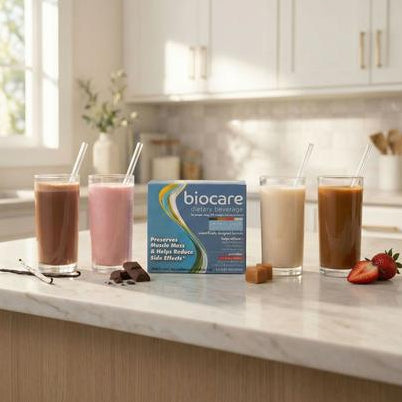
As part of a healthy eating plan, scientifically formulated beverages and snacks are an effective way to jumpstart your journey toward healthy eating. Biocare’s nutritional composition can help satisfy your daily recommended allowance (RDA) for macronutrients and micronutrients.
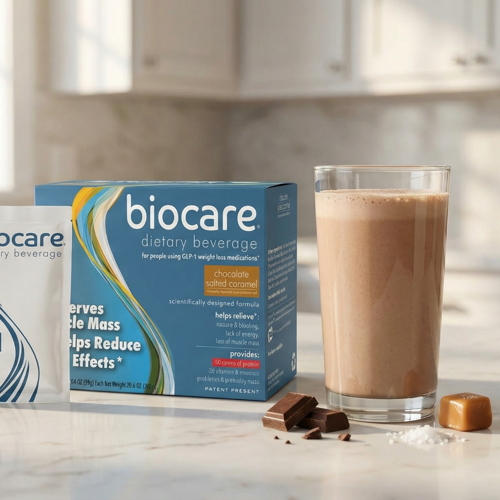
As part of a balanced eating plan, Biocare offers ready-to-use beverages and snacks designed to help meet daily macronutrient and micronutrient needs. Biocare contains a blend of whey protein and whey protein isolate and is an easily digestible source of amino acids, including leucine.
Biocare optimizes dietary protein absorption. It includes 30 grams for high quality whey and calcium caseinate protein, provides 3 grams of leucine per serving, which is important because leucine is an important amino acid that promotes muscle repair and growth. Biocare is a complete protein, providing the complete set of essential amino acids at levels required for protein synthesis.
Biocare dietary beverages offer a convenient and effective way to help you reach your daily protein intake goals. The Biocare Protein Meal Plan will show you how to incorporate the beverages into your meal planning, using example targets of 60, 90 and 120 grams of protein per day. Protein is a key macronutrient that supports healthy weight loss. Protein preserves lean mass during active weight loss and promotes satiety.
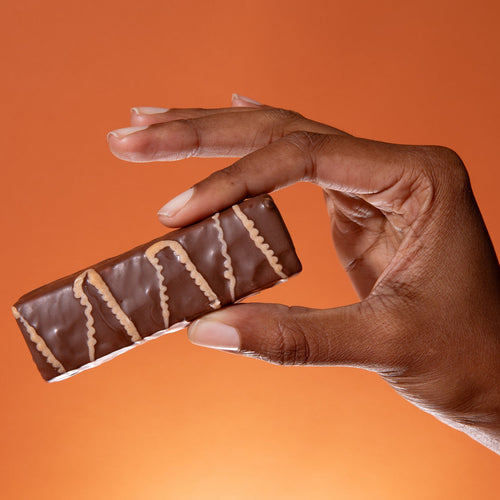
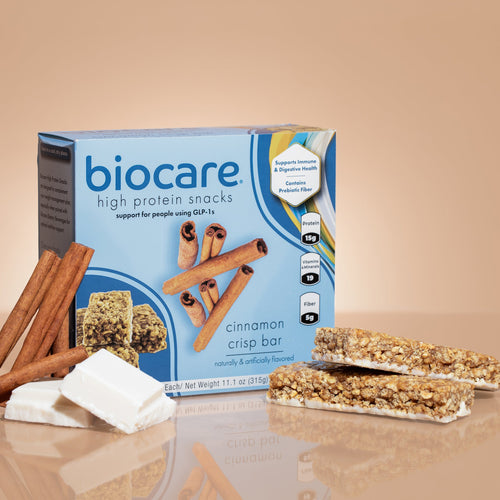
Biocare also offers snacks like their Chocolate Caramel Bar, Cinnamon Crisp Bar, Cheddar Cheese Double Bites, and Pretzel Twists! Biocare high protein snacks are designed to complement (not replace) our Biocare beverages. The snacks provide additional high-quality protein to help preserve lean muscle mass, while also satisfying the craving for something sweet or something salty.
Before making dietary changes or beginning any exercise program be sure to consult with your healthcare provider to make sure your desired weight loss strategy is right for you.
About the Author: Dr. Dawn M. Sweet has over 20 years of experience in the field of communication. Dr. Sweet has given several invited talks to and workshops for academic and private sector audiences on the role of nonverbal and verbal communication in achieving positive outcomes and mitigating bias. Her research has been published in several top ranked peer-review journals, and it has been featured on NPR’s River to River / All Things Considered, Buzzfeed, and Science Daily. Her research has also been used to inform expert testimony.