GLP-1 Medications and Your Long-Term Relationship with Food
— Dawn M. Sweet, Ph.D.
Discover how GLP-1 medications quiet cravings, reshape your relationship with food, and open the door to lasting, mindful eating habits — even after the medication ends.
GLP-1 medications like Ozempic, Wegovy, Mounjaro, and Zepbound are making an impact that goes well beyond blood sugar control and weight loss — they’re also reshaping how people think about food. For many adults with or without type 2 diabetes and/or obesity, issues like cravings, food noise, mindless snacking, and emotional eating can drive unwanted weight gain. GLP-1 medications have the potential to reduce these behaviors and encourage more mindful, health-conscious eating habits.
These medications work by delaying stomach emptying — helping you feel full for longer — while also altering communication between the brain and gut and lowering levels of the hunger hormone, ghrelin. By mimicking the naturally occurring glucagon-like peptide-1 (GLP-1) hormone, they promote smaller portion sizes, reduce snacking between meals, and significantly quiet the mental chatter around food. As a result, users often report less interest in food and a calmer, more deliberate approach to eating.
Understanding Food Noise and Cravings
Food noise refers to persistent, intrusive thoughts about eating — what you just ate, what you’ll eat next, and an ongoing preoccupation with food. This mental chatter can act like a tether, pulling you toward cravings and often leading to the consumption of hyperpalatable foods like chips, cookies, sugary drinks, fried foods, and cheeseburgers. These types of foods trigger the brain’s reward system, reinforcing a cycle where the more you eat, the more you crave. GLP-1 medications help disrupt this cycle.
By targeting both the brain’s reward center and the gut’s hunger signals, GLP-1 medications reduce food noise and dampen cravings. The appetite-suppressing effects play a key role — when appetite diminishes, thoughts naturally shift away from food and eating without hunger. Additionally, the gastrointestinal side effects common with GLP-1s (such as nausea, bloating, or diarrhea) can make hyperpalatable foods less appealing, creating a subtle but powerful disincentive. In effect, GLP-1s help break the loop of craving and consumption by reducing desire, appetite, and reward.
Mindless and Emotional Eating
Most people, at some point, have turned to food for comfort — to ease stress, cope with sadness, or simply fill moments of boredom. GLP-1 medications can reduce this emotional reliance on food by diminishing interest in hyperpalatable options and interrupting the brain’s reward circuit. This disruption leads to a decrease in dopamine release, a chemical linked to pleasure and reinforcement. When eating becomes less rewarding, emotionally driven eating behaviors can begin to fade.
GLP-1s offer a unique window for lasting behavior change. With less mental noise around food, individuals have the chance to develop more intentional eating habits. Practicing mindful eating — paying close attention to hunger, fullness, and emotional triggers — can help reduce automatic, emotionally driven behaviors. As these triggers become more recognizable, it becomes easier to adopt healthier coping strategies, such as going for a walk, bike ride, or engaging in another form of self-care. These small, repeated shifts can lay the foundation for sustainable habits — especially important when GLP-1 medication is tapered or discontinued.
Stopping a GLP-1 Medication
Coming off a GLP-1 medication can be a challenging transition, both physically and emotionally. Weight regain is common, and that reality can feel discouraging. That’s why it's so important to focus on building sustainable habits that support your health and well-being in the long term.
Food isn’t just about fuel — it’s also deeply tied to comfort, pleasure, and identity. As you re-establish your relationship with food post-medication, the goal isn’t perfection, but intention. Because GLP-1s often reduce interest in food and lead to smaller portion sizes, it's especially important to choose nutrient-dense options. Lean proteins can help preserve muscle and ease GI side effects. Complex carbohydrates, fruits, and vegetables offer fiber to support digestion, stabilize blood sugar, and nourish your gut microbiome. Over time, the rewards of making these choices — increased energy, better digestion, improved mood, and lasting weight loss — begin to reinforce themselves.
One of the most powerful takeaways from using a GLP-1 is the insight it offers: You begin to notice how cravings diminish, how food noise quiets, and how emotional eating fades. That clarity opens the door to developing a more mindful, balanced, and compassionate approach to eating — one that doesn’t rely on willpower alone, but on self-awareness and care.
While GLP-1s can be a valuable tool, they are just that — a tool. They create space for change, but the habits you build during that time are what truly sustain success. And as your body adjusts, supporting it with the right nutrition can make a big difference. A scientifically designed supplement like Biocare can help ease digestive side effects and ensure you continue to meet your nutritional needs through every phase of your journey.
Biocare: Supporting Your Nutritional Needs While on GLP-1s
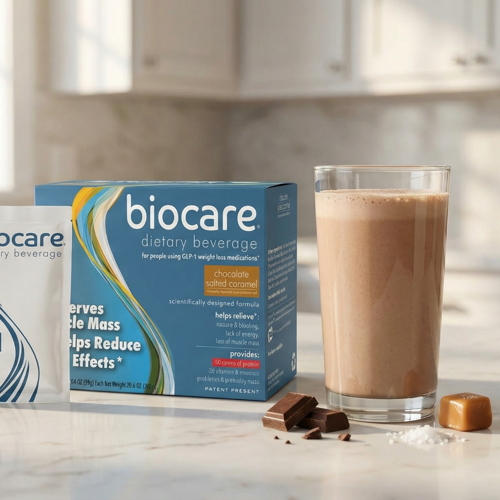
GLP-1 medications change how you feel about food — reducing hunger, altering digestion, and shifting food preferences. But those changes can come at a cost: muscle loss, digestive discomfort, and nutritional gaps. Biocare is a dietary beverage designed to support your relationship with food while on (and even after) GLP-1 medications. It provides:
· A scientifically balanced blend of whey and casein proteins to preserve muscle and promote satiety
· Targeted micronutrients like iron, B12, and vitamin D to address common deficiencies
· Digestive aids such as probiotics, prebiotic fibers, digestive enzymes, and gut-soothing ingredients like GutGard® and PepZinGI®
· Anti-inflammatory and muscle-repair nutrients like leucine, creatine, and omega-3s from ground flaxseed
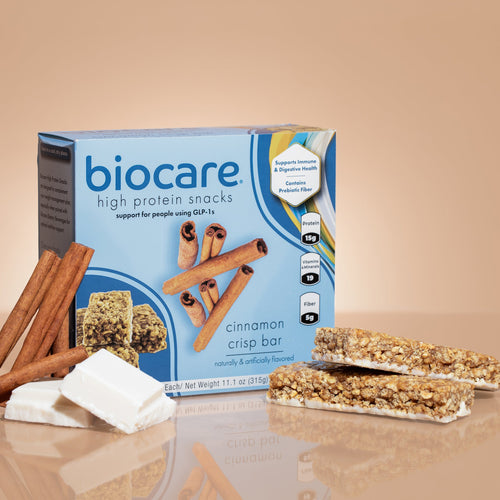
Biocare helps you maintain better nutrition and digestive comfort, making your long-term weight management journey more successful — and more sustainable. You can shop for Biocare beverages by following this link.
About the Author: Dr. Dawn M. Sweet has over 20 years of experience in the field of communication. Dr. Sweet has given several invited talks to and workshops for academic and private sector audiences on the role of nonverbal and verbal communication in achieving positive outcomes and mitigating bias. Her research has been published in several top ranked peer-review journals, and it has been featured on NPR’s River to River / All Things Considered, Buzzfeed, and Science Daily. Her research has also been used to inform expert testimony.