With the continued popularity of GLP-1 medications for weight loss, protein and protein supplements are increasingly important dietary tools to support lean mass preservation, metabolism, blood glucose (sugar) control, satiety, and GLP-1 side-effect management. Because GLP-1 medications reduce appetite and slow digestion, caloric intake decreases thereby making it more difficult to meet the Recommended Dietary Allowance (RDA) for protein. Consequently, it is important to consider what types of protein supplements may confer optimal benefits during active weight loss with a GLP-1 medication.
With so many types of protein supplements commercially available, particularly the different types of whey protein options, let’s review types of protein supplements and consider what types of protein supplements may confer a greater advantage.
Types of Protein Supplements
There are several types of protein supplements, e.g., powders, ready-to-drink shakes, and bars, and understanding the types of protein supplements could inform a decision that optimally supports weight loss, muscle preservation and development, blood sugar control, and the management of GLP-1 side effects.
Types of protein supplements and their uses:
- Protein Powders: Weight loss, mitigate effects of decreased appetite related to GLP-1 medications, blood glucose control, protein intake customization
- Ready-to-Drink Shakes: Convenience, portability, meal replacement, and pre-set calories and nutrition management
- Protein Bars: Snack, post-workout
Types of Whey Protein
Among the types of protein supplements, might there be some with ingredients that offer an advantage?
Whey protein is a dairy protein derived from cow’s milk; it is made during the cheese-making process and is one of the most popular ingredients among the types of protein supplements because it is easy to digest.
It is frequently chosen for weight loss because it helps build and maintain muscle, provides satiety (feeling full), and available in several convenient forms, e.g., powders, shakes, and bars.
Different types of whey protein matter because each contains a different amount of protein, vary in how easy they are to digest, and each may accommodate a different health goal.
The different types of whey protein are:
- Whey protein isolate: Mostly pure protein and contains very little fat or lactose; often used for weight loss, diabetes / blood glucose control.
- Whey protein concentrate: Includes protein along with small amounts of fat and carbohydrates and may be a better option for adults who are not on a calorie restricted diet.
- Whey protein hydrolysate: Partially broken down so it’s easier and faster to digest and is often used by athletes or in medical nutrition products; may be a better option for adults who need an option that is easy to digest.
Types of Protein Powder
There are several types of protein powder, e.g. whey protein, plant-based protein, and collagen. Plant-based proteins are just that - derived from plant sources like peas, soy, brown rice. Collagen protein is derived from animals’ connective tissue. Given the options, what type of protein powder is best for weight loss?
While all protein confers benefits, whey is considered by many to be the optimal choice during active weight loss and for weight maintenance. Whey protein contains all the required amino acids (building blocks for protein), plus it contains leucine.
Leucine is an amino acid that our bodies cannot make. It is needed for protein synthesis, blood sugar control, and muscle growth and because our bodies cannot make it, it is important to select protein supplements that include it. In addition to leucine, whey protein also contains vitamin D, which supports immune function and helps muscles function properly. Vitamin D is also implicated in cognitive health.
Best Protein Bars and Best Protein Shakes for GLP-1 Users
While “the best” can be a relative term based on individual needs, goals, and overall health, arguably the best protein powder for GLP-1 users is one that has leucine, vitamin D, and meets the RDA for key nutritional components.
Similarly, the best protein shakes and protein bars for GLP-1 users should also include leucine, vitamin D, and meet the RDA for nutritional needs. Given the different types of protein supplements, it is crucial to select one that is scientifically formulated to offer optimal nutrition and GLP-1 medication support.
Considerations per serving when selecting a protein bar or shake:
- Protein: for protein bars, aim for10 – 20g and for protein shakes, aim for 20-30g, ideally from whey
- Fiber: 3g or more
- Fats: unsaturated fat from nuts/seeds (if not allergic); avoid trans fats and keep saturated fats to < 3g
- Prebiotics and probiotics: prebiotics and probiotics promote gut health, improve digestion, and support healthy gut bacteria, each of which is crucial for GLP-1 users
Understanding the types of protein supplements, the different types of whey protein, and selecting the best protein supplement for weight loss or GLP-1 support can make your journey healthier and more sustainable. One such option is Biocare.
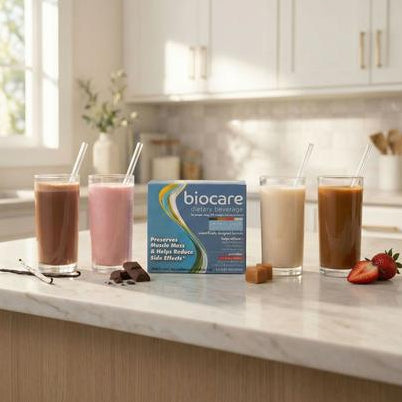
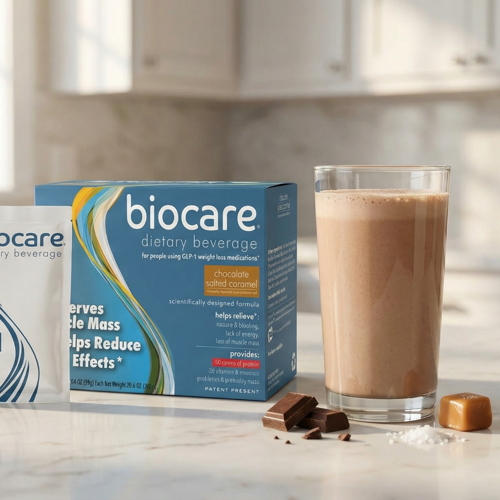
As part of a balanced eating plan, Biocare offers ready-to-use beverages and snacks designed to help meet daily macronutrient and micronutrient needs. Biocare contains a blend of whey protein and whey protein isolate and is an easily digestible source of amino acids, including leucine.
As part of a healthy eating plan, scientifically formulated beverages and snacks are an effective way to jumpstart your journey toward healthy eating. Biocare’s nutritional composition can help satisfy your daily recommended allowance (RDA) for macronutrients and micronutrients.
Biocare optimizes dietary protein absorption. It includes 30 grams for high quality whey and calcium caseinate protein, provides 3 grams of leucine per serving, which is important because leucine is an important amino acid that promotes muscle repair and growth. Biocare is a complete protein, providing the complete set of essential amino acids at levels required for protein synthesis.
Biocare dietary beverages offer a convenient and effective way to help you reach your daily protein intake goals. The Biocare Protein Meal Plan will show you how to incorporate the beverages into your meal planning, using example targets of 60, 90 and 120 grams of protein per day. Protein is a key macronutrient that supports healthy weight loss. Protein preserves lean mass during active weight loss and promotes satiety.
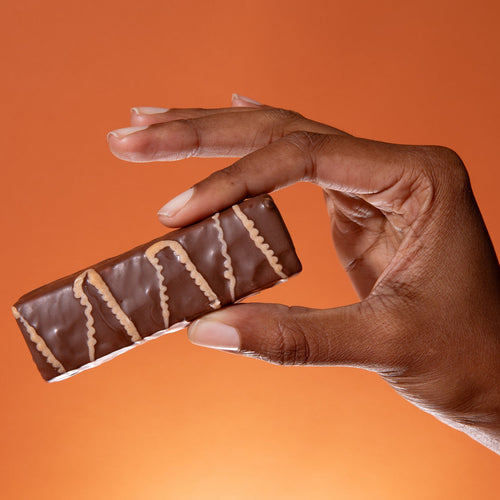
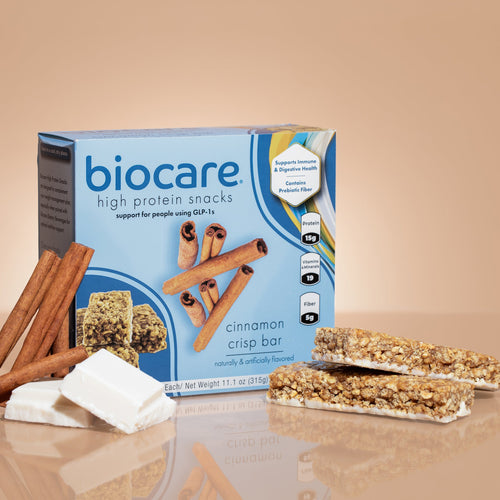
Biocare also offers snacks like their Chocolate Caramel Bar, Cinnamon Crisp Bar and Pretzel Twists! Biocare high protein snacks are designed to complement (not replace) our Biocare beverages. The snacks provide additional high-quality protein to help preserve lean muscle mass, while also satisfying the craving for something sweet or something salty.
For mealtimes, Biocare’s high-protein entrées bring the same approach to dinner: 35g of protein plus fiber and probiotics in a warm, ready-in-minutes bowl. Curious how they measure up? See how Savory Chili compares to 5 other high-protein meals.
Before making dietary changes or beginning any exercise program be sure to consult with your healthcare provider to make sure your desired weight loss strategy is right for you.
About the Author: Dr. Dawn M. Sweet has over 20 years of experience in the field of communication. Dr. Sweet has given several invited talks to and workshops for academic and private sector audiences on the role of nonverbal and verbal communication in achieving positive outcomes and mitigating bias. Her research has been published in several top ranked peer-review journals, and it has been featured on NPR’s River to River / All Things Considered, Buzzfeed, and Science Daily. Her research has also been used to inform expert testimony.