Hair shedding on a GLP-1: why it happens and how to support your hair
Noticing more hair in the brush? It's a common part of rapid weight loss — usually temporary, and closely tied to how well you're nourished.
The extra shedding some people notice on a GLP-1 isn't caused directly by the medication. It's usually a reaction to rapid weight loss and eating less — a temporary type of shedding called telogen effluvium. The reassuring part: it's typically temporary, and hair generally grows back as your body settles and your nutrition improves. Getting enough protein and key nutrients supports healthy hair through the transition.
What's actually causing the shedding?
When the body goes through something stressful — and rapid weight loss counts — it can shift a larger-than-usual share of hair follicles into their natural resting phase all at once. A few months later, that hair sheds. Dermatology sources call this telogen effluvium, and it's one of the most common causes of sudden, diffuse shedding.
An important distinction: the medications themselves don't directly cause hair loss. It's the metabolic and nutritional changes that come with fast weight loss — eating less, and getting less protein, iron, and zinc — that can nudge the hair cycle. That's good news, because nutrition is something you can support.
The reassuring part: it's usually temporary
Telogen effluvium is self-limiting for most people. According to the Cleveland Clinic, hair typically grows back on its own once the trigger passes. Normal shedding is up to about 100 hairs a day; during a shedding phase it can rise noticeably before settling back down. Supporting your body with steady nutrition helps set the stage for regrowth.
Nutrition habits that support healthy hair
Enough protein
Hair is built largely from protein. Meeting your daily protein target supports healthy hair.
Iron & zinc
These minerals support normal hair growth; eating less can leave them short.
Balanced overall diet
Whole foods across groups cover the range of nutrients hair follicles draw on.
Patience
Regrowth takes time. "Baby hairs" along the hairline are a good sign it's turning around.
Gentle handling
Loose styles and less heat won't change the cycle, but they reduce extra breakage.
Easy protein wins
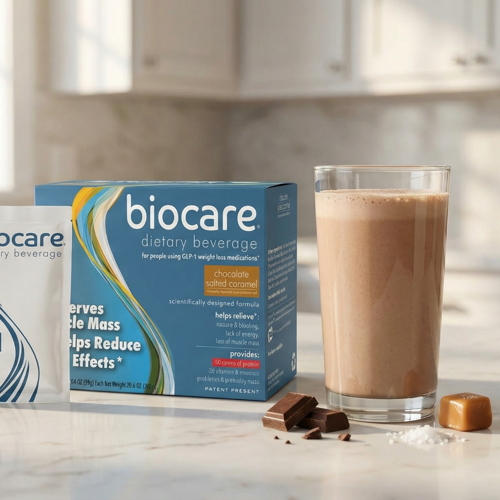
A shake makes hitting your protein target simple on low-appetite days.
A simple plan to support your hair
-
Meet your protein target consistently
Find your number with the protein calculator and aim to hit it most days — hair does best with steady, adequate protein.
-
Round out the nutrients
Include iron- and zinc-containing foods, and eat across the food groups. A balanced meal plan makes this easier to do without overthinking it.
-
Use easy options on low-appetite days
When eating is hard, a protein shake keeps your intake steady so nutrition doesn't slip further.
-
Give it time
Shedding phases pass. If you're eating well and the trigger has settled, regrowth generally follows over the following months.
-
Check in with a professional
If shedding is heavy, lasts beyond several months, or comes with other symptoms, see your provider or a dermatologist to rule out other causes.
Steady nutrition, even when appetite is low
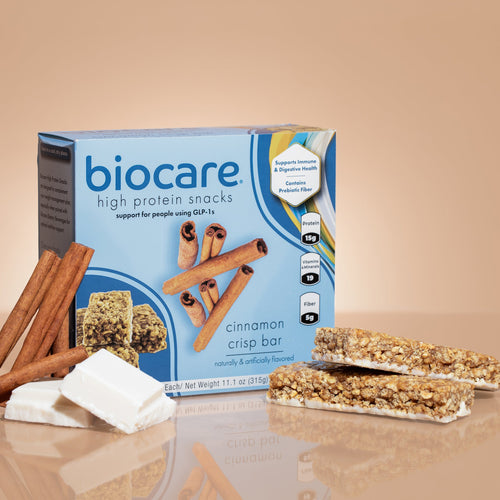
Supporting your hair really comes down to supporting your whole body with consistent nutrition — and that's exactly what Biocare makes easy. Our shakes and high-protein meals help you meet your protein target on the days cooking or eating feels like too much. Protein supports healthy hair, and keeping your overall nutrition steady gives your body what it needs while things settle.
Explore the meal plansFrequently asked questions
Does a GLP-1 cause hair loss?
Will my hair grow back?
How long does the shedding last?
Can protein help with hair?
Which nutrients matter for hair?
When should I see a doctor?
Keep going
Sources
- Cleveland Clinic — Telogen Effluvium: Symptoms, Causes, Treatment & Regrowth. my.clevelandclinic.org/health/diseases/24486-telogen-effluvium
- International Society of Hair Restoration Surgery (ISHRS) — Telogen Effluvium: A Guide to Temporary Hair Loss. ishrs.org/telogen-effluvium/
These statements have not been evaluated by the Food and Drug Administration. This product is not intended to diagnose, treat, cure, or prevent any disease. Always consult your physician or healthcare provider before making changes to your health or diet program.
Biocare is not affiliated with, endorsed by, or sponsored by the makers of Ozempic®, Wegovy®, Mounjaro®, or Zepbound®. All trademarks are the property of their respective owners.
Fuel smarter. Feel stronger. Live better.