Sulfur Burps on GLP-1 Meds: Why They Happen and 5 Fixes That Actually Help
That rotten-egg taste isn't just gross — it's a chemical reaction happening in your gut. Here's what's actually causing sulfur burps on Ozempic, Wegovy, Zepbound, and Mounjaro, plus the five evidence-based fixes that bring real relief.
If you've ever burped on a GLP-1 medication and tasted something that made you check whether someone left an egg salad sandwich in the sun, you're not imagining it. And you're not alone.
Sulfur burps — that distinct rotten-egg flavor that seems to come out of nowhere — are one of the most-Googled side effects of Ozempic, Wegovy, Zepbound, and Mounjaro. They're common. They're embarrassing. And nobody warns you about them in the prescribing pamphlet.
Here's the good news: sulfur burps aren't dangerous, they're not a sign that something is wrong with you, and they're highly treatable once you understand what's actually happening in your gut.
This guide breaks down the science behind why GLP-1 medications cause sulfur burps, why they tend to get worse in summer, and five specific things you can do to bring them under control — starting today.
The short version
Don't have time to read the whole thing? Here's the summary:
- What's happening: GLP-1 medications slow your stomach's emptying time. Food sits longer, protein ferments, and gut bacteria release hydrogen sulfide — the rotten-egg gas you're tasting.
- Why summer makes it worse: Heat further slows digestion, dehydration concentrates fermentation, and your appetite drops even more — so the food that does get in sits even longer.
- The 5 fixes that help: Hydrate before meals (not during), reduce high-sulfur foods temporarily, eat smaller and more frequent meals, walk for 10 minutes after eating, and ask your doctor about digestive enzymes.
- When to call your doctor: If burps come with persistent vomiting, severe abdominal pain, or signs of dehydration, that's beyond a routine side effect — call your prescriber.
Now let's get into the why and the how.
Why do GLP-1 medications cause sulfur burps?
To understand sulfur burps, you have to understand what GLP-1 medications actually do to your digestive system. The medication name itself is a clue: GLP-1 stands for "glucagon-like peptide-1," a naturally occurring hormone that signals fullness and slows gastric emptying.
Semaglutide (Ozempic, Wegovy), tirzepatide (Mounjaro, Zepbound), and other GLP-1 agonists amplify that signal. They make your stomach hold onto food longer, which is exactly how they help you feel full on less food. The same mechanism that drives weight loss also drives the digestive side effects.
The chemistry of the rotten-egg burp
Here's what happens, step by step:
- You eat a meal — especially one containing sulfur-rich proteins like eggs, red meat, dairy, or cruciferous vegetables (broccoli, cauliflower, Brussels sprouts).
- On a GLP-1, your stomach empties roughly 30-70% slower than it would otherwise. Food sits in your stomach for hours instead of minutes.
- As that food lingers, certain gut bacteria — sulfate-reducing bacteria, mainly — begin to ferment the sulfur-containing amino acids in your meal.
- That fermentation produces hydrogen sulfide gas (H₂S). It's the same gas that gives rotten eggs their smell. Yes, literally the same molecule.
- The gas works its way up your digestive tract and exits as a burp. Hello, rotten-egg taste.
This isn't a defect in your body. It's not a sign you're "bad at" being on a GLP-1. It's basic chemistry happening on a slower clock than your gut is used to.
Why summer heat makes sulfur burps worse
If you've noticed your sulfur burps getting worse as the temperature climbs, there's a reason — and it's not in your head.
- Heat naturally slows digestion. Your body diverts blood flow away from your gut to help cool your skin. Less blood flow means slower gastric motility.
- GLP-1-induced thirst suppression means most users are quietly dehydrated in summer. Less hydration means more concentrated stomach contents and slower transit.
- Summer eating patterns shift toward more dairy (ice cream, yogurt), more eggs (deviled eggs at every cookout), and more cruciferous vegetables (summer salads). All high-sulfur.
- Heat also reduces appetite further, which means smaller meals are stretched longer — giving more time for fermentation.
The combination is a perfect storm. June through August is peak sulfur-burp season for GLP-1 users.
5 fixes for sulfur burps on GLP-1 meds
These aren't theoretical. They're the interventions most commonly recommended by GLP-1-experienced clinicians and supported by what we know about gastric motility and gut chemistry. Try them in order — most people see relief within 48-72 hours of starting one or two.
Fix #1: Hydrate before meals, not during them
Drinking water with meals dilutes your stomach acid and slows digestion even further — exactly what you don't need on a GLP-1. But pre-loading with water 15-20 minutes before eating actually helps your stomach prepare for the meal and clear it more efficiently.
Try this:
- Drink 16 oz of water 20 minutes before each main meal
- Sip — don't gulp — during the meal itself, no more than 4-6 oz
- Add electrolytes if you're outdoors or sweating; plain water alone can actually flush minerals in heat
- Track your total intake — most GLP-1 users need at least half their body weight in ounces daily, more in summer
A biocare Lemon Iced Tea or Mixed Fruit Hydration drink 20 minutes before lunch is a small habit that makes a noticeable difference. The electrolytes do double duty — supporting digestion AND replacing what you lose to heat.
Fix #2: Reduce high-sulfur foods temporarily
This isn't a permanent diet change — it's a 3-5 day experiment to see if your burps are food-driven. High-sulfur foods give the bacteria more raw material to ferment. Less raw material, less hydrogen sulfide.
Foods highest in sulfur (try cutting back):
- Eggs (yolks especially)
- Red meat (beef, pork, lamb)
- Dairy (milk, cheese, ice cream — yogurt is often better tolerated)
- Cruciferous vegetables (broccoli, cauliflower, Brussels sprouts, cabbage, kale)
- Onions and garlic (in large quantities)
- Whey concentrate protein powders (whey isolate is better tolerated — see below)
Better-tolerated swaps:
- Fish and poultry instead of red meat
- Greek yogurt or cottage cheese instead of milk-based dairy
- Leafy greens (spinach, romaine) instead of cruciferous
- Whey isolate or clear protein instead of whey concentrate
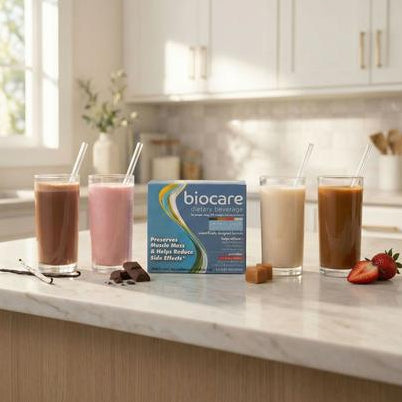
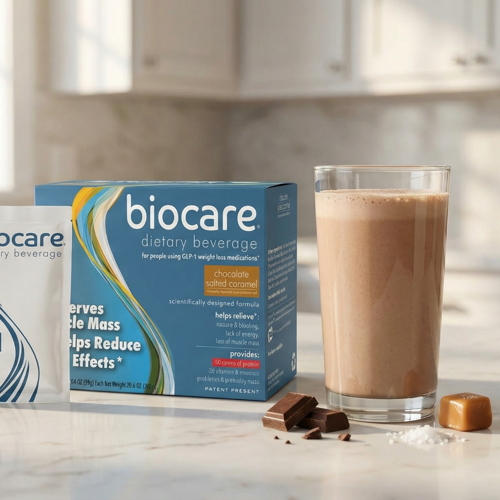
On the protein point specifically: a lot of GLP-1 users get sulfur burps not from their meals but from their daily protein shake. biocare Mixed Berry Clear Protein uses whey isolate (lower lactose, less sulfur) and skips the artificial sweeteners that can also feed fermentation. If you've been doing thick chocolate shakes and dealing with burps, swapping to clear protein for a week is one of the highest-impact changes you can make. It's not the only option, but it's the one we built specifically for this problem.
Fix #3: Shrink your meals, eat more often
Big meals on a slowed gut are a recipe for sulfur burps. The more food sitting in your stomach at once, the longer it takes to clear, and the more time bacteria have to do their fermentation thing.
Splitting the same daily intake into more frequent, smaller meals reduces the volume of food fermenting at any given time. Most GLP-1-experienced dietitians recommend 5-6 small meals over 3 large ones.
Try this:
- Eat until you're 70% full — not stuffed
- Aim for a small protein-containing snack or mini-meal every 2-3 hours
- Skip the "clean plate" mindset — stopping when satisfied is the goal, not finishing
- If you can't physically eat more, focus on liquid calories (smoothies, clear protein, soups) to hit your protein target
Fix #4: Walk for 10 minutes after every meal
This is the simplest fix on the list, the most evidence-supported, and the one most people skip.
Light movement after eating activates digestion. It stimulates the migrating motor complex (the wave-like contractions that move food through your gut), increases gastric emptying speed, and helps prevent the prolonged stasis that drives fermentation.
Try this:
- Start walking within 15 minutes of finishing your meal
- 10 minutes minimum — 20 is better
- Pace doesn't matter — strolling counts
- Even pacing around your house works if it's too hot to go outside
Research on post-meal walking shows measurable improvements in gastric emptying even with brief, low-intensity activity. The effect is most pronounced in people with slowed motility — which describes virtually every GLP-1 user.
Fix #5: Ask your doctor about digestive enzymes
If the first four fixes don't fully resolve your symptoms, this is where supplementation can help — but only with your prescriber's input.
Digestive enzymes work by breaking down food faster, reducing the time it spends in your gut for bacteria to ferment. Two specific categories have evidence behind them:
- Broad-spectrum enzymes (containing protease, lipase, and amylase) help break down protein, fat, and carbs respectively. Taken right before meals.
- Enteric-coated peppermint oil has well-documented effects on gut motility and is often recommended for IBS-like symptoms. It can help reduce both burping and bloating.
Both are generally safe and well-tolerated, but they can interact with other medications and aren't right for everyone. Loop in your prescriber before adding them. Bring the names of the specific products you're considering — "I read about enzymes" is harder to assess than "I'm considering X brand at Y dose."
When to call your doctor (not the internet)
Sulfur burps alone are an annoyance, not an emergency. But if they come bundled with any of the following, that's beyond a routine side effect:
- Persistent vomiting (can't keep liquids down for more than 24 hours)
- Severe abdominal pain that doesn't improve with position changes
- Signs of dehydration (dark urine, dizziness when standing, racing heart)
- Black or bloody stools
- Sudden, severe upper-right abdominal pain (potential gallbladder concern)
- Fever above 101°F alongside GI symptoms
Call your prescriber. Don't tough it out. GLP-1 medications can occasionally cause more serious complications like pancreatitis, gastroparesis, or gallbladder issues, and your prescriber needs to know when something is escalating beyond normal.
Long-term prevention: building a sulfur-burp-resistant routine
Once you've gotten through an acute episode, here's how to build a daily routine that keeps sulfur burps from becoming a chronic problem:
Morning
- Hydration drink first thing — 16 oz with electrolytes
- Protein within 2 hours of waking — clear protein or Greek yogurt are gentle starters
Midday
- Pre-meal water 20 minutes before lunch
- Smaller portion than feels "normal" — you can always eat more later
- 10-minute walk immediately after
Afternoon
- Mini-meal or protein-containing snack at the 3-4 hour mark
- Continue hydrating — aim to be at 60% of daily fluid goal by 4pm
Evening
- Eat dinner at least 3 hours before bed
- Skip the heavy red-meat-and-dairy combination that's hardest to digest
- Final walk after dinner — even a slow lap around the block
Most users who follow this pattern see sulfur burps drop from daily-disruption to occasional-nuisance within 1-2 weeks.
Frequently Asked Questions
Why do I get sulfur burps on Ozempic?
Ozempic (semaglutide) slows your stomach's emptying time as part of how it works. When food sits longer, gut bacteria ferment sulfur-containing proteins, producing hydrogen sulfide — the rotten-egg smell. It's a normal mechanical side effect, not a sign anything is wrong. The fixes in this article (hydration, reducing high-sulfur foods, smaller meals, post-meal walks) typically bring significant relief within 48-72 hours.
Are sulfur burps on Mounjaro or Zepbound different from Ozempic?
The mechanism is essentially the same. Tirzepatide (Mounjaro, Zepbound) actually slows gastric emptying somewhat more than semaglutide in some studies, which can mean slightly more sulfur-burp risk. The fixes work identically across all GLP-1 medications.
How long do sulfur burps last on GLP-1 meds?
For most users, sulfur burps are worst during the first 4-8 weeks of starting a GLP-1 or after a dose increase. Your body partially adapts to the slowed gastric emptying over time. That said, if you don't address the food triggers and hydration patterns, they can persist as a chronic background issue indefinitely. The interventions above shorten this adaptation window significantly.
What foods cause sulfur burps the most?
Foods highest in sulfur-containing amino acids are the biggest triggers: eggs (especially yolks), red meat, dairy products, cruciferous vegetables (broccoli, cauliflower, cabbage, Brussels sprouts, kale), onions, and garlic. Whey concentrate protein powders are also a common culprit. Whey isolate, fish, poultry, and leafy greens are typically much better tolerated.
Can I take Pepto-Bismol for sulfur burps on Ozempic?
Pepto-Bismol contains bismuth subsalicylate, which can bind to hydrogen sulfide and reduce burping in the short term. Some clinicians recommend it for occasional relief, but it shouldn't be used daily long-term without medical guidance, and it can interact with other medications. Always check with your prescriber, especially if you take aspirin, blood thinners, or have kidney issues.
Will sulfur burps go away if I lower my GLP-1 dose?
Sometimes, yes — but don't adjust your dose without your prescriber. Most doctors prefer to manage side effects with lifestyle changes first because dose reductions can slow your weight-loss progress. Try the five fixes in this article for 2-3 weeks before having the dose conversation.
Are sulfur burps dangerous?
Sulfur burps themselves are not dangerous — they're a side effect of slowed digestion. However, if they come alongside persistent vomiting, severe abdominal pain, dehydration, or other red-flag symptoms, that combination warrants a call to your prescriber to rule out more serious GLP-1 complications like pancreatitis or gastroparesis.
Does the timing of my GLP-1 shot affect sulfur burps?
Some users notice symptoms peak in the 24-48 hours after their injection, especially during dose ramp-ups. If you can identify a pattern, timing meals lighter on those peak days — and emphasizing the fixes in this article — can reduce the worst of it.
What's the best protein powder for GLP-1 users with sulfur burps?
Whey isolate (lower lactose) or clear whey-isolate-based protein drinks are typically much better tolerated than whey concentrate or plant proteins. biocare Mixed Berry Clear Protein was formulated specifically for GLP-1 sensitivities — whey isolate, no artificial sweeteners, light juice-like texture instead of milky. Casein and high-lactose dairy proteins should generally be avoided when sulfur burps are active.
You've got this
Sulfur burps are common, treatable, and not a sign you're doing anything wrong on your GLP-1. Most users who implement the five fixes above see real relief within a week. The combination of hydration timing, food adjustments, smaller meals, post-meal walks, and (when needed) digestive enzymes addresses the root cause — slowed digestion plus bacterial fermentation — rather than just masking the symptom.
If your daily protein routine has been contributing to the problem, switching to a gentler clear protein is one of the highest-leverage single changes you can make. biocare Mixed Berry Clear Protein was built specifically for sensitive GLP-1 stomachs — whey isolate, no artificial sweeteners, light enough to drink on a shot day. Try it for two weeks alongside the other fixes in this guide and see what changes.
Save this article. Send it to anyone in your life who's been quietly suffering through these. The rotten-egg era ends today.
We've got you.
Medical disclaimer: This content is for educational purposes only and does not constitute medical advice. Always consult your prescribing provider before making changes to your GLP-1 medication, supplements, exercise, or nutrition plan. If you experience severe symptoms, contact your healthcare provider or emergency services immediately.